
How Artificial Intelligence is Transforming Digital Marketing
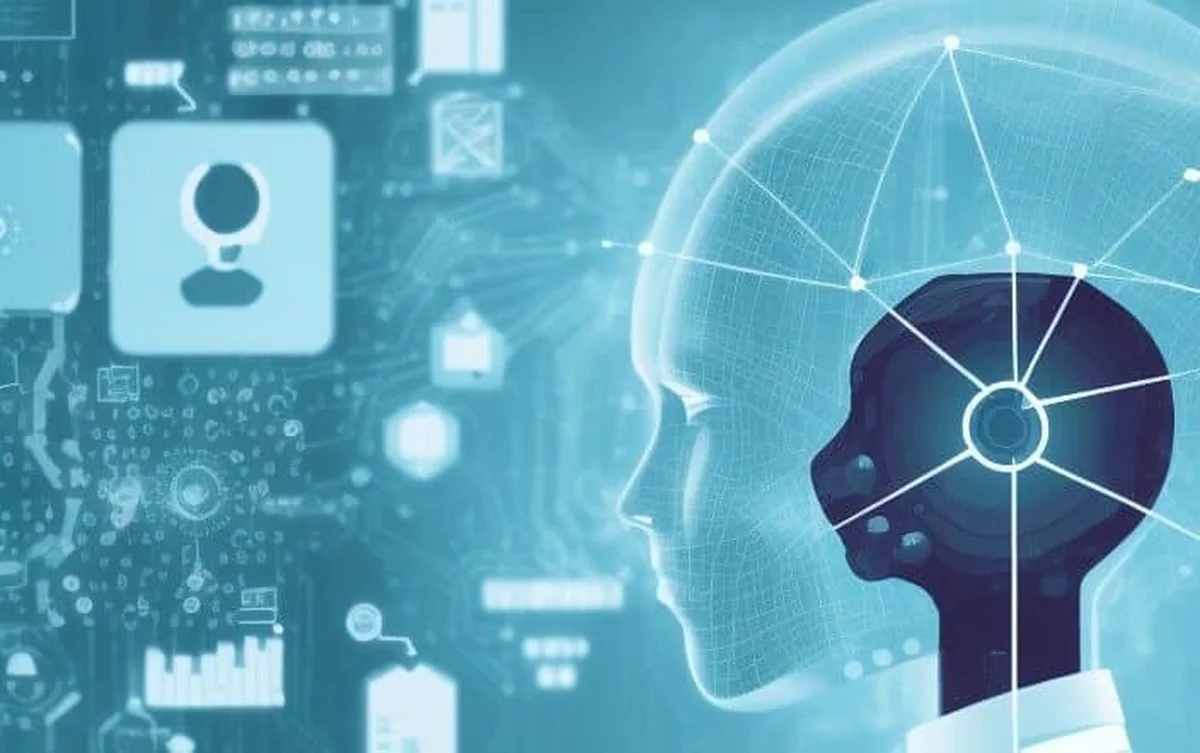
In 2026, artificial intelligence (AI) has consolidated itself as the essential engine of any high-performance digital marketing strategy. With the evolution of autonomous agents, multimodal models, and real-time data processing, this technology enables companies to predict trends, hyper-personalize content, segment audiences with high precision, automate ads, and offer predictive, automated customer service.
AI enables marketing teams to make decisions based on concrete data and real-time behavior patterns, reducing acquisition costs and maximizing return on investment (ROI). Adopting AI tools is no longer optional, but a necessity to stay competitive in the 2026 digital environment.
Table of Contents
Strategic Transformation: Artificial Intelligence in Digital Marketing in 2026
However, implementing artificial intelligence in digital marketing requires clear planning, the integration of advanced algorithms, and adaptation to new generative search engines. Below, we explore the most effective ways AI is transforming the industry this year.
10 Key Applications of AI Tools to Boost Your Business
- Predictive data analysis with AI: Instant processing of large volumes of data and performance reports to anticipate consumer trends and make strategic decisions without guesswork.
- Hyper-personalization of generative content: Dynamic creation of emails, recommendations, and messages tailored in real time to user history, context, and intent.
- Advanced audience segmentation: Machine learning algorithms that identify high-value micro-segments, increasing campaign precision and optimizing the advertising budget.
- Ad automation and optimization: AI agents that adjust ad creatives, copies, and bids in real time on platforms like Google Ads and Meta Ads to maximize conversions.
- Customer service via conversational AI agents: Intelligent chatbots and multimodal assistants capable of solving complex queries, guiding users through the sales funnel, and providing 24/7 support.
- Purchase behavior prediction (Propensity Modeling): Models that identify the exact moment a user is ready to buy, allowing timely and personalized offers to be launched.
- Customer experience (CX) optimization and dynamic interfaces: Personalization of navigation flows, checkout, and website recommendations to reduce bounce rates and boost loyalty.
- Sentiment analysis and social listening with NLP: Natural Language Processing to evaluate conversations on social networks, identify brand perceptions, and detect opportunities or reputation crises in time.
- Smart inventory and demand management: Synchronization between marketing campaigns and AI-driven stock projections, optimizing the supply chain.
- Generative Engine Optimization (GEO) and AI SEO: Adapting content not only for traditional search engines, but also for AI-generated answers (ChatGPT, SearchGPT, Perplexity), ensuring brand visibility.
How to integrate artificial intelligence into your digital strategy?
In conclusion, artificial intelligence in 2026 has proven to be the definitive catalyst for accelerating business growth. Through predictive analytics, intelligent automation, and real-time personalization, companies can authentically connect with their audiences and achieve sustainable performance.
If you need to integrate artificial intelligence into your strategy in 2026 and boost your business, contact us to make it happen and ensure your campaigns reach maximum success in the digital ecosystem.